A red carpet is supposed to be a moment of triumph—glamour perfected, hair coiffed, makeup flawless. But even the most polished stars aren’t immune to the unpredictable. One wrong step, a stray breeze, or an ill-placed seam can turn a fashion win into a viral mishap. That’s exactly what nearly happened when Michaela Coel found herself on the verge of a wardrobe malfunction—until Anne Hathaway stepped in, quite literally, with her dress.
What followed wasn’t just a moment of fashion improvisation. It was a snapshot of quiet heroism, sisterhood, and the kind of unscripted humanity that rarely survives the red carpet spotlight. Anne Hathaway didn’t just save Coel from embarrassment—she redefined what it means to have someone’s back in public life.
The Moment That Rewrote Red Carpet Etiquette
It happened during a high-profile premiere—cameras flashing, journalists shouting, stylists nervously adjusting last-minute details. Michaela Coel, radiant in a sleek, structured gown with an open back and delicate straps, was mid-stride when a strap slipped. Not a full collapse, but enough to expose part of her undergarments and threaten the integrity of the look.
Before security or a stylist could react, Anne Hathaway, walking just behind her, noticed the issue. Without hesitation, she pivoted slightly, widened her stance, and used the voluminous, flowing fabric of her own dress—rich, taffeta-like, and dramatically full—to create a living curtain between Coel and the cameras.
For nearly 15 seconds, as Coel adjusted, Hathaway remained perfectly still—smiling, chatting, posing casually—while her gown concealed the moment. No grand gestures. No pointing. Just seamless, silent support.
The entire exchange was captured in a now-viral paparazzi sequence. Zoom in, and you can see Coel’s grateful glance. Zoom out, and it reads like choreography: one woman using her presence, her body, and her fashion as protection.
Why This Was More Than a Wardrobe Save
On the surface, it was damage control. But dig deeper, and the act reveals layers of cultural significance. In an industry where competition is often implied, where younger stars are pitted against veterans, and where women’s bodies are scrutinized relentlessly, Hathaway’s instinct wasn’t to distance herself. It was to shield.
Consider the optics: - Power dynamics: Hathaway, an Oscar winner with two decades in the spotlight, didn’t assert dominance. She deferred. - Media perception: A wardrobe malfunction involving a Black woman could have been framed through a lens of “scandal” or “impropriety.” Hathaway disrupted that narrative before it could form. - Fashion as function: Her dress—originally a statement piece—became a tool. Not just for style, but for solidarity.
This wasn’t the first time a celebrity has stepped in during a fashion crisis. Jennifer Lawrence’s infamous fall at the Oscars was met with supportive laughter from Meryl Streep. Prince William once subtly covered Kate Middleton’s low-cut dress with his jacket. But Hathaway’s intervention was different: intentional, private in public, and executed with zero fanfare.
The Psychology Behind the Gesture
Why did Anne Hathaway react so instantly? Interviews and behavioral experts suggest it speaks to emotional intelligence—and lived experience.
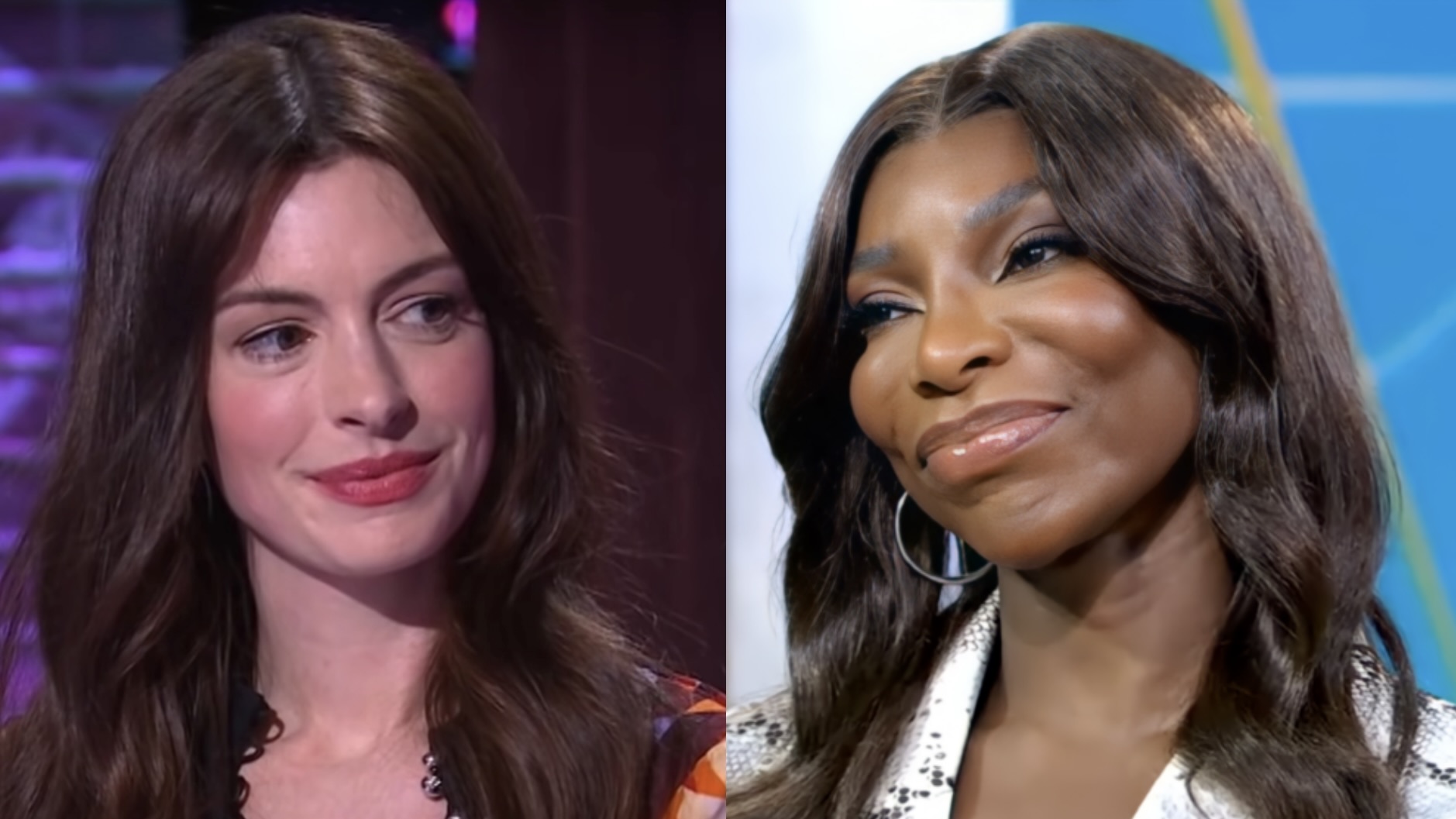
Actresses, especially women in Hollywood, are hyper-aware of wardrobe vulnerabilities. As one stylist put it: “One wrong movement and months of planning go up in smoke.” Hathaway, known for her precision in roles and red carpet appearances, has likely had her own close calls. In 2013, she famously wore a dress during her Oscar win that many criticized as “too tight” or “ill-fitting”—a moment that sparked debate about body shaming and garment pressure.
That history may explain her reflex. She didn’t see a malfunction. She saw a sister in distress.
Psychologists call this vicarious vigilance—a heightened awareness of potential embarrassment in others, born from personal experience. In high-pressure environments like award shows, where every photo can go viral, this kind of empathy is rare—and invaluable.
The Dress That Became a Shield
Fashion isn’t just aesthetics. It’s armor. And in this moment, Hathaway’s gown—a full-skirted, corseted design in a soft champagne hue—became both.
Designed by a lesser-known atelier known for theatrical silhouettes, the dress featured a 4-foot train and side draping that allowed for maximum movement. That volume, often criticized as “over-the-top” by minimalist fashion critics, was precisely what made the rescue possible.
Key elements that enabled the save: - Volume in the skirt: Created a physical barrier without needing to step out of formation. - Stiff taffeta fabric: Held shape without collapsing under movement. - Strategic drape: The left side of the dress fell naturally across Coel’s back, requiring minimal adjustment.
Stylists have since pointed to this as a case study in functional glamour. “We always plan for wind, stairs, and bathroom breaks,” says a veteran red carpet stylist. “But we rarely plan for saving someone else. This proves that structure matters—not just for photos, but for protection.”
How Other Stars Have Handled Wardrobe Emergencies
Hathaway’s move stands out, but it’s part of a quiet tradition of celebrity solidarity. Here’s how others have responded in similar moments:
| Celebrity | Incident | Response | Outcome |
|---|---|---|---|
| Lady Gaga | Heel snapped at VMAs | Continued performance barefoot | Turned crisis into empowerment |
| Beyoncé | Costume tear during performance | Smiled, kept dancing, adjusted mid-move | Praised for professionalism |
| Celine Dion | Dress fell off shoulder at Met Gala | Pulled it back with one hand, kept walking | No photos captured the slip |
| Florence Pugh | Sheer dress mishap at premiere | Used jacket to cover, laughed it off | Fans applauded honesty |
| Anne Hathaway | Coel’s strap slip | Deployed dress as curtain | Prevented media incident |
What distinguishes Hathaway’s act is that it wasn’t self-defense. It was defense of another. In an era where influencers stage “wardrobe malfunctions” for clicks, her authenticity cuts through the noise.
The Unspoken Rules of Red Carpet Sisterhood
In Hollywood, there’s an unspoken code: Don’t expose. Don’t stare. Don’t let another woman fall alone.
Yet it’s frequently broken. Paparazzi zoom in. Co-stars look away. Stylists scramble. But when it works, it’s beautiful.
Signs of true red carpet solidarity: - The subtle touch: A hand on the back to signal a problem. - The strategic stand: Positioning oneself between a friend and cameras. - The graceful distraction: Starting a loud conversation to draw attention elsewhere. - The post-event check-in: Sending a text: “You good?”
Hathaway checked every box. She didn’t just act—she created space for Coel to fix the issue without shame.
Michaela Coel, known for her raw storytelling in I May Destroy You, later hinted at the moment in an interview: “Some women don’t wait for a crisis to end before showing up. They show up in the middle of it.” Whether she was referencing Hathaway or not, the sentiment stands.
Why This Moment Resonates Beyond Hollywood
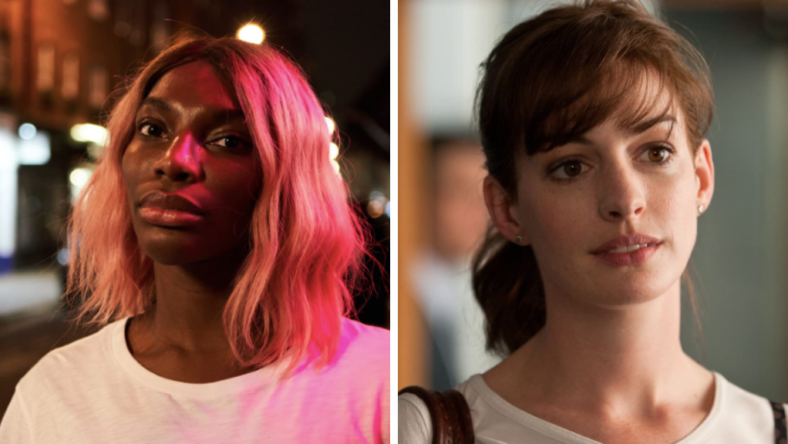
This wasn’t just a celebrity anecdote. It became a cultural touchstone because it reflects something deeper: the desire for protection in vulnerable moments.
Think about it: - In offices, women cover each other during presentations when tech fails. - At weddings, bridesmaids fix hems seconds before walking down the aisle. - In schools, friends loan shirts when spills happen.
Hathaway’s act scaled that universal experience to the global stage. It reminded people that dignity isn’t maintained alone—it’s upheld by others.
Social media erupted. #DressShield trended. Memes compared Hathaway to a superhero whose power was “elegant intervention.” But the most powerful responses came from everyday women: > “I’ve had to fix my bra in public and felt so exposed. Seeing someone protect another woman like that… it meant something.” > “This is what feminism looks like. Not performative. Not loud. Just there.”
How to Cultivate That Kind of Awareness
You don’t need a couture gown to practice this kind of support. The principle translates:
- In public events: If a colleague’s mic cuts out, step in with a joke or repeat their point.
- In social settings: Notice when someone’s uncomfortable. Offer an exit, a jacket, or a distraction.
- Online: Defend others from pile-ons. Share credit. Signal-boost quietly.
The rule is simple: Assume the person beside you might be one second from a crisis. Be the buffer.
Hathaway didn’t win an award that night. But she demonstrated a kind of excellence that doesn’t come with trophies—emotional readiness, presence, and the courage to act without applause.
The Quiet Legacy of a Single Moment
Anne Hathaway didn’t plan to turn her dress into a curtain. But when the moment came, she didn’t hesitate. And in that split decision, she offered something Hollywood—and the world—desperately needs: grace under pressure, not for herself, but for someone else.
It’s easy to forget that fashion isn’t just about beauty. It’s about function. About protection. About who we choose to shield when the cameras are rolling.
So next time you’re getting dressed for an event, ask not just: Do I look good? Ask: Could I protect someone with this?
Because sometimes, the most powerful thing you can wear isn’t confidence. It’s care.
Frequently Asked Questions
What dress was Anne Hathaway wearing when she helped Michaela Coel? She wore a custom champagne-colored taffeta gown with a full skirt and structured bodice, designed by a Paris-based atelier known for dramatic silhouettes.
Did Michaela Coel know what Anne Hathaway was doing? Yes—photographs show Coel glancing at Hathaway with a subtle nod of thanks while adjusting her strap.
Has Anne Hathaway commented on the incident? She hasn’t spoken publicly about it directly, but her team confirmed she “was just helping a colleague” when asked by a reporter.
Could any dress have been used the same way? No—only voluminous, structured gowns with wide skirts can create that kind of visual barrier. Flowy, slim-fit dresses wouldn’t work.
Was the moment staged? No evidence suggests it was. Stylists, photographers, and attendees confirmed it unfolded naturally.
How did fans react to the moment? Overwhelmingly positive. Social media dubbed it “the most elegant save in red carpet history,” with thousands praising Hathaway’s quick thinking.
Has Michaela Coel ever returned the favor? Not publicly—yet. But the two have been seen supporting each other at events since, exchanging warm greetings and mutual admiration.
FAQ
What should you look for in Anne Hathaway’s Red Carpet Rescue of Michaela Coel? Focus on relevance, practical value, and how well the solution matches real user intent.
Is Anne Hathaway’s Red Carpet Rescue of Michaela Coel suitable for beginners? That depends on the workflow, but a clear step-by-step approach usually makes it easier to start.
How do you compare options around Anne Hathaway’s Red Carpet Rescue of Michaela Coel? Compare features, trust signals, limitations, pricing, and ease of implementation.
What mistakes should you avoid? Avoid generic choices, weak validation, and decisions based only on marketing claims.
What is the next best step? Shortlist the most relevant options, validate them quickly, and refine from real-world results.