An apology meant to repair trust became a masterclass in how not to handle a public betrayal. When a popular My Hero Academia voice actor and streamer admitted to cheating on his long-term girlfriend, he didn’t just damage a personal relationship—he ignited a firestorm that exposed the fragile line between influencer authenticity and public accountability.
Fans expected remorse. What they got was deflection, justification, and a tone-deaf performance that felt more like damage control than genuine repentance. The fallout was swift and brutal: lost sponsorships, deleted content, and a fractured fanbase left questioning the integrity of someone they admired.
This isn’t just a relationship gone wrong. It’s a case study in how public figures mismanage personal crises—and why sincerity can’t be scripted.
The Rise of a Dual-Identity Star
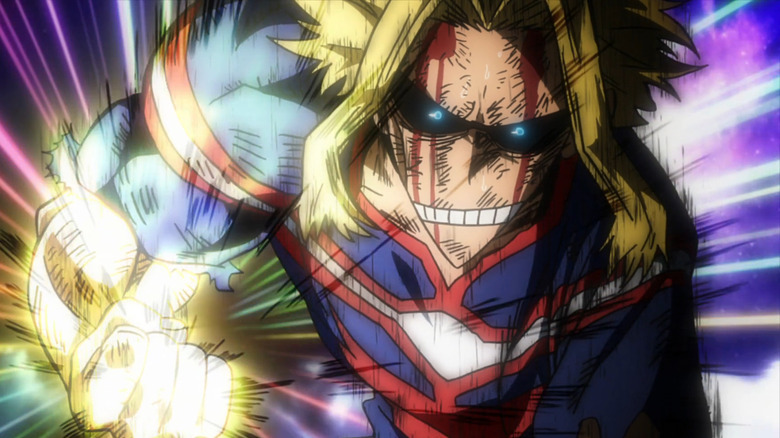
Before the scandal, this voice actor was on an upward trajectory. Known for voicing a fan-favorite character in My Hero Academia—a role that earned him consistent praise at anime conventions and social media acclaim—he expanded into streaming, building a second career on platforms like Twitch and YouTube.
His streams blended voice acting demos, behind-the-scenes industry insights, and casual gaming. The mix worked. He cultivated a persona: humble, talented, and emotionally intelligent. He frequently spoke about loyalty, mental health, and maintaining real connections in the digital age—themes that now ring hollow.
His girlfriend, rarely seen but often mentioned, was part of his brand. She was the “grounding force,” the one who kept him “from getting lost in the fame.” That narrative made the betrayal hit harder—not just emotionally, but as a collapse of the image he carefully constructed.
The Cheating Revelation: How the Truth Emerged
The truth didn’t come from a confession. It leaked.
Screenshots surfaced on Reddit and X (formerly Twitter), showing intimate messages between the actor and another woman—someone not his girlfriend, but also within the anime voice acting community. The exchange wasn’t just flirtatious; it spanned months and included references to industry events, shared accommodations, and emotional dependency.
What made it worse? The actor had publicly thanked his girlfriend during a recent con appearance, calling her “the real hero in my life.” The juxtaposition was jarring.
Fans began digging. Deleted Instagram stories, altered relationship timelines, and inconsistent travel logs painted a clearer picture. The story gained traction not because infidelity is rare, but because of the hypocrisy—praising loyalty while violating it in private.
By the time he addressed it, the narrative was already set.
The Apology That Made Things Worse
His apology video—posted to YouTube and cross-shared on Instagram—was intended to reclaim the narrative. Instead, it became a viral example of emotional evasion.
Here’s what went wrong:
- No direct admission of wrongdoing: He used phrases like “mistakes were made” and “emotional lines blurred,” avoiding clear ownership.
- Victim-blaming undertones: He cited “emotional neglect” in his relationship, implying his girlfriend failed him first.
- Overuse of industry stress: “The pressure of conventions, recordings, and streaming schedules made me vulnerable,” he said—turning his profession into an excuse.
- Focus on his pain: The 12-minute video spent eight minutes discussing his guilt, anxiety, and sleepless nights—without once acknowledging how his actions affected his partner.
- No accountability for the other person involved: He referred to her as “a colleague going through a hard time,” shielding her from scrutiny while exposing his girlfriend to online harassment.
Perhaps most damaging? He ended with, “I hope you can understand.”
Understand what? That he was human? That everyone makes mistakes? The phrasing felt like a demand for forgiveness, not a plea for it.
Fan and Industry Reaction: Trust, Once Broken The backlash was immediate and multi-layered.
Fans were split—but the majority turned. Some defended him, citing “private matters” and “cancel culture gone too far.” Others pointed out that his content relied on emotional authenticity. “You built a brand on being a good guy,” one commenter wrote. “Now you’re asking us to ignore that you weren’t.”
Sponsors began distancing. A gaming peripheral brand announced they were “reviewing their partnership.” A voice acting workshop he co-hosted removed him from promotional material within 24 hours.
Colleagues stayed silent—or didn’t. Most in the industry avoided public statements, but one fellow My Hero Academia cast member tweeted, “Integrity isn’t just for auditions,” a subtle jab that fans instantly decoded.
Worse, his girlfriend broke her silence. In a now-deleted post, she wrote: > “I didn’t expect perfection. I expected honesty. What I got was a performance—one you’ve been practicing on all of us.”
That single line captured the core issue: the apology wasn’t just inadequate. It was another performance.
Why Public Apologies Fail—And How They Could Work
This wasn’t just a bad apology. It was a failure in crisis communication.
Most failed celebrity apologies share these traits:
| Mistake | What Happened Here | Better Approach |
|---|---|---|
| Lack of ownership | Used passive language | “I cheated. I lied. I hurt people.” |
| Excuse-heavy | Blamed stress, emotions | Acknowledge factors without justifying actions |
| Ignoring the victim | No mention of partner’s pain | “I betrayed her trust, and I’m sorry for the public humiliation” |
| Asking for forgiveness too soon | “I hope you can understand” | “I don’t expect forgiveness. I’m committed to doing better.” |
| No action plan | Vague promises to “grow” | Specific steps: therapy, transparency, stepping back from content |
A successful apology doesn’t seek to erase consequences. It accepts them. It centers the harmed party. And it understands that rebuilding trust is a long game—not a one-video reset.
The Bigger Problem: Persona vs. Person
This scandal hits harder because of the specific niche: anime voice acting.
Fans don’t just consume content—they form parasocial relationships with the voices behind beloved characters. When a voice actor plays a hero like those in My Hero Academia, there’s an unconscious expectation that they embody those values: courage, honesty, self-sacrifice.
When the person behind the hero betrays real-world ethics, the dissonance is jarring. It’s not just cheating—it’s role betrayal.
And in the streaming world, where authenticity is currency, that betrayal devalues everything.
This actor didn’t just break a relationship. He broke the illusion that the person on screen—the one cracking jokes, doing voice impressions, thanking his “amazing girlfriend”—was real.
Now, every past video feels suspect. Every heartfelt moment seems staged.
Can He Recover?
Recovery is possible—but not on his timeline.
Three factors will determine whether he can rebuild:
- Time away from the spotlight: Immediate content drops or attempts to “come back stronger” will fail. Silence, followed by consistent, humble re-entry, is the only path.
- Tangible change: Therapy, public accountability (without self-pity), and possibly advocacy around relationship integrity.
- No monetization of the scandal: Any future content about “growth” or “lessons learned” must be offered freely—not behind a Patreon paywall.
Even then, some fans will never return. And that’s okay. Redemption isn’t about crowd approval. It’s about alignment between action and integrity.
What This Means for Influencers and Fans
This story isn’t unique. But it’s a warning.
For influencers and creators: Your brand is only as strong as your private decisions. Audiences forgive flaws, but they don’t forgive pretense. If you build on authenticity, live it—even when the camera’s off.
For fans: It’s okay to be disappointed. It’s okay to withdraw support. Admiring someone’s talent doesn’t obligate you to excuse their behavior. Hero worship is dangerous—especially when the hero isn’t real.
And for the industry: It’s time to stop treating voice actors as disembodied talents. They’re public figures with influence. With that comes responsibility—not just to their craft, but to the values their roles represent.
The apology didn’t go well because it wasn’t really an apology. It was a bid for sympathy. A Hail Mary pass to save a reputation without doing the hard work of repair.
The real story isn’t about one man’s mistake. It’s about what happens when performance replaces principle—and why no amount of voice acting talent can mask a broken moral script.
Move forward with awareness. Build brands on truth, not image. And remember: the most heroic thing anyone can do is own their failure—and then quietly, consistently, do better.
Frequently Asked Questions
Who is the My Hero Academia voice actor involved in the cheating scandal? While the actor hasn't been officially named in major outlets due to privacy concerns, online discussions point to a supporting cast member known for streaming and convention appearances. Specific identification is avoided here to focus on the broader implications.
Did the voice actor lose his role in My Hero Academia? As of now, there's no confirmation of recasting. However, industry insiders suggest future involvement may be reviewed, especially if public pressure persists.
Why did the apology fail so badly? It failed because it lacked accountability, blamed external factors, centered the actor’s feelings, and asked for forgiveness without earning it.
How did fans react to the girlfriend’s response? Her brief statement went viral for its quiet strength. Many praised her for speaking truth without malice, contrasting sharply with the actor’s defensiveness.
Can a voice actor recover from a scandal like this? Yes, but not quickly. Recovery requires time, humility, tangible personal growth, and a willingness to accept permanent consequences.
Are other voice actors speaking out about the situation? Most remain silent, but a few have made indirect comments about integrity and professionalism, suggesting internal industry concern.
What lesson should aspiring streamers learn from this? Your online persona and real life must align. Audiences can detect inauthenticity—and when trust breaks, rebuilding it takes years, not videos.
FAQ
What should you look for in My Hero Academia Voice Actor’s Apology After Cheating Scandal? Focus on relevance, practical value, and how well the solution matches real user intent.
Is My Hero Academia Voice Actor’s Apology
After Cheating Scandal suitable for beginners? That depends on the workflow, but a clear step-by-step approach usually makes it easier to start.
How do you compare options around My Hero Academia Voice Actor’s Apology After Cheating Scandal? Compare features, trust signals, limitations, pricing, and ease of implementation.
What mistakes should you avoid? Avoid generic choices, weak validation, and decisions based only on marketing claims.
What is the next best step? Shortlist the most relevant options, validate them quickly, and refine from real-world results.