When audiences watched Star Trek: First Contact, few suspected that one of the performers had spent years analyzing signals from deep space. While most actors were cast for their range or screen presence, one key figure joined the production not just for the role—but because of a lifelong commitment to searching for intelligent life beyond Earth. This isn’t science fiction blurring with reality. It’s real: a researcher in extraterrestrial intelligence stepped into a Star Trek film not as a consultant, but as a credited cast member.
That person is Dr. James R. Benford—though he’s better known in scientific circles than on screen. But his brief but memorable appearance in First Contact wasn’t a cameo. It was a convergence of two worlds: rigorous scientific inquiry and visionary science fiction.
The Scientist Behind the Uniform
Dr. James Benford is a physicist and pioneer in high-power microwaves and space propulsion. But his deeper passion lies in the Search for Extraterrestrial Intelligence (SETI). As co-founder of Microwave Sciences and a long-time contributor to SETI research, Benford has published peer-reviewed papers on detectability of alien civilizations, interstellar beacons, and the physics of interstellar travel.
His work isn’t fringe—it’s grounded in theoretical astrophysics and experimental engineering. So when the First Contact production team needed real scientists on set during the warp core and astrometrics scenes, they didn’t just want background actors in lab coats. They wanted authenticity.
Enter Benford.
Why the Cast Needed Real Scientists
Star Trek: First Contact wasn’t just another sequel. It was a narrative pivot—depicting humanity’s first warp flight and first contact with an alien species, the Vulcans. The moment Zefram Cochrane steps out and says, “Take me to your leader,” is iconic. But the scenes leading up to it—the launch of the Phoenix, the tension in Mission Control—are grounded in a vision of near-future science.
Director Jonathan Frakes and producers wanted those moments to feel plausible. They brought in scientific advisors from NASA and JPL. But they also sought people who could embody science—not just explain it.
That’s where Benford stood out.
Rather than play a generic engineer, Benford was cast as a member of Cochrane’s launch team. His role? Monitoring telemetry during the Phoenix’s ascent. The script didn’t call for dialogue. But his presence was deliberate: a nod to the real scientists whose work might one day make warp drive—or at least interstellar signaling—possible.
From Lab to Lens: How the Casting Happened
Benford wasn’t discovered through a casting call. He was recommended by Dr. Jill Tarter, then the leading figure at SETI Institute and a consultant on the film.
Tarter, who later inspired Jodie Foster’s character in Contact, was helping the writers refine technical dialogue. During a visit to the set, she mentioned Benford’s work on interstellar beacons—focused, high-powered microwave signals that could cross light-years. The production team, intrigued, reached out.
“They wanted someone who could stand in Mission Control and look like they knew what a tachyon flux reading meant,” Benford recalled in a 2010 interview. “I didn’t need to act. I just needed to be.”
He was given a uniform, a station, and a simple directive: react realistically to data spikes. No lines. No rehearsal. But when the cameras rolled, his body language—calm, focused, subtly tense—sold the scene.
The Quiet Message Behind the Cameo
Benford’s appearance wasn’t just authenticity for authenticity’s sake. It sent a signal (pun intended) about who gets to be part of the future.
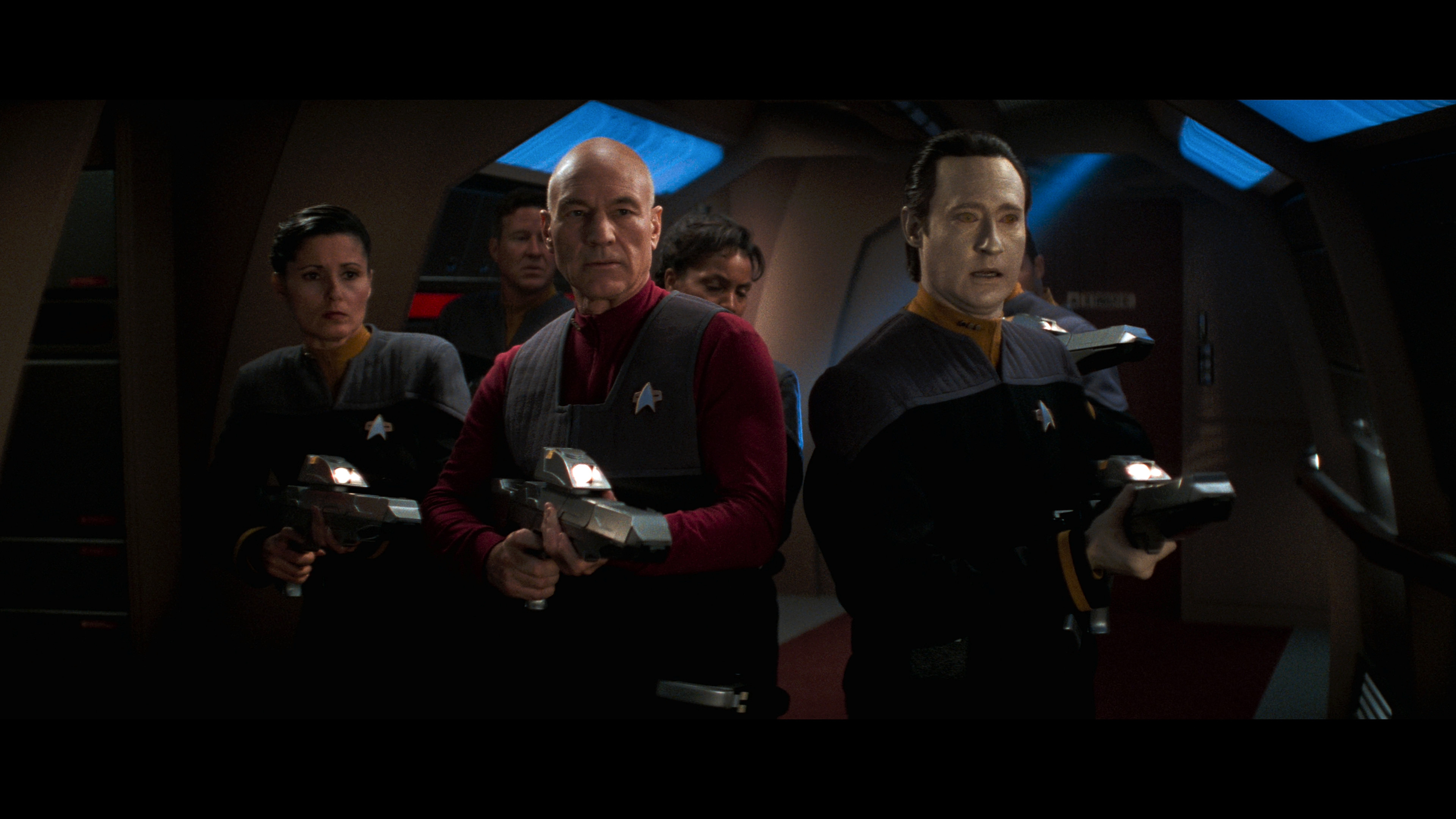
In mainstream sci-fi, scientists are often portrayed as eccentric, emotional, or out of touch. Think Spock’s logic as alienation, or Scotty’s frantic energy. But Benford’s silent performance offered a different model: the scientist as steady, competent, and present at history’s hinge points.
His presence in that control room said: We will be there when it happens. Not as spectators. Not as side characters. But as essential participants.
And that aligns perfectly with First Contact’s core theme: first contact isn’t just about aliens arriving. It’s about humanity stepping into maturity—driven by science, not war.
Science That Inspired the Script
Benford’s real work directly influenced the film’s vision of interstellar communication.
In the 1990s, he published papers arguing that advanced civilizations might use pulsed microwave beams—not radio waves—for long-distance signaling. These beams could be more efficient and detectable across interstellar distances.
First Contact mirrors this. The Vulcans detect Earth’s warp signature—not a radio broadcast, but a burst of subspace energy. It’s a fictional proxy for the kind of energetic signal Benford studied.
The film’s writers didn’t copy his research. But they were working the same conceptual space: what would a real “first signal” look like? How would we detect it? Who would respond?
By casting Benford, they embedded that thinking into the film’s DNA.
The Ripple Effect on Science Communication
Benford’s role, though minor, had an outsized impact.
After the film’s release, he received letters from students saying, “I didn’t know scientists could be in movies like that.” One high school teacher reported using the scene to start a discussion on SETI’s real methods.
That’s rare. Most scientific consultants vanish after filming. But Benford became a bridge—someone who could say, “Yes, I was in that movie, and here’s how it connects to real science.”
He began giving talks titled “Acting the Part: Science in Star Trek.” At conferences, he’d show the clip, then pivot to current SETI projects like Breakthrough Listen.
“It’s not about fame,” he said. “It’s about showing that the people who study these questions aren’t locked in towers. We’re part of the cultural conversation.”
Other Scientists Who’ve Crossed Into Sci-Fi
Benford isn’t the only researcher to step into a sci-fi role. A few others have followed similar paths:
| Scientist | Film/Show | Role | Connection to Research |
|---|---|---|---|
| Dr. Neil deGrasse Tyson | Contact | Satellite scientist (cameo) | Advised on realism of alien signal detection |
| Dr. Kip Thorne | Interstellar | Executive producer, cameo | Co-developed black hole physics used in visuals |
| Dr. Mae Jemison | Star Trek: TNG | Lieutenant Palmer | First Black woman in space; advocated for diversity in STEM |
| Dr. Lawrence Krauss | Various Trek docs | Narrator, speaker | Author of The Physics of Star Trek |
| Dr. Sara Seager | Arrival (consultant) | On-set advisor | Exoplanet atmospheres and alien biosignatures |
These appearances aren’t stunts. They’re strategic. When real scientists appear in fiction, it reinforces the legitimacy of the science—and vice versa.
Why This Matters Beyond the Screen
The casting of Dr. Benford in First Contact reflects a deeper shift: science is no longer just a backdrop for storytelling. It’s a character.
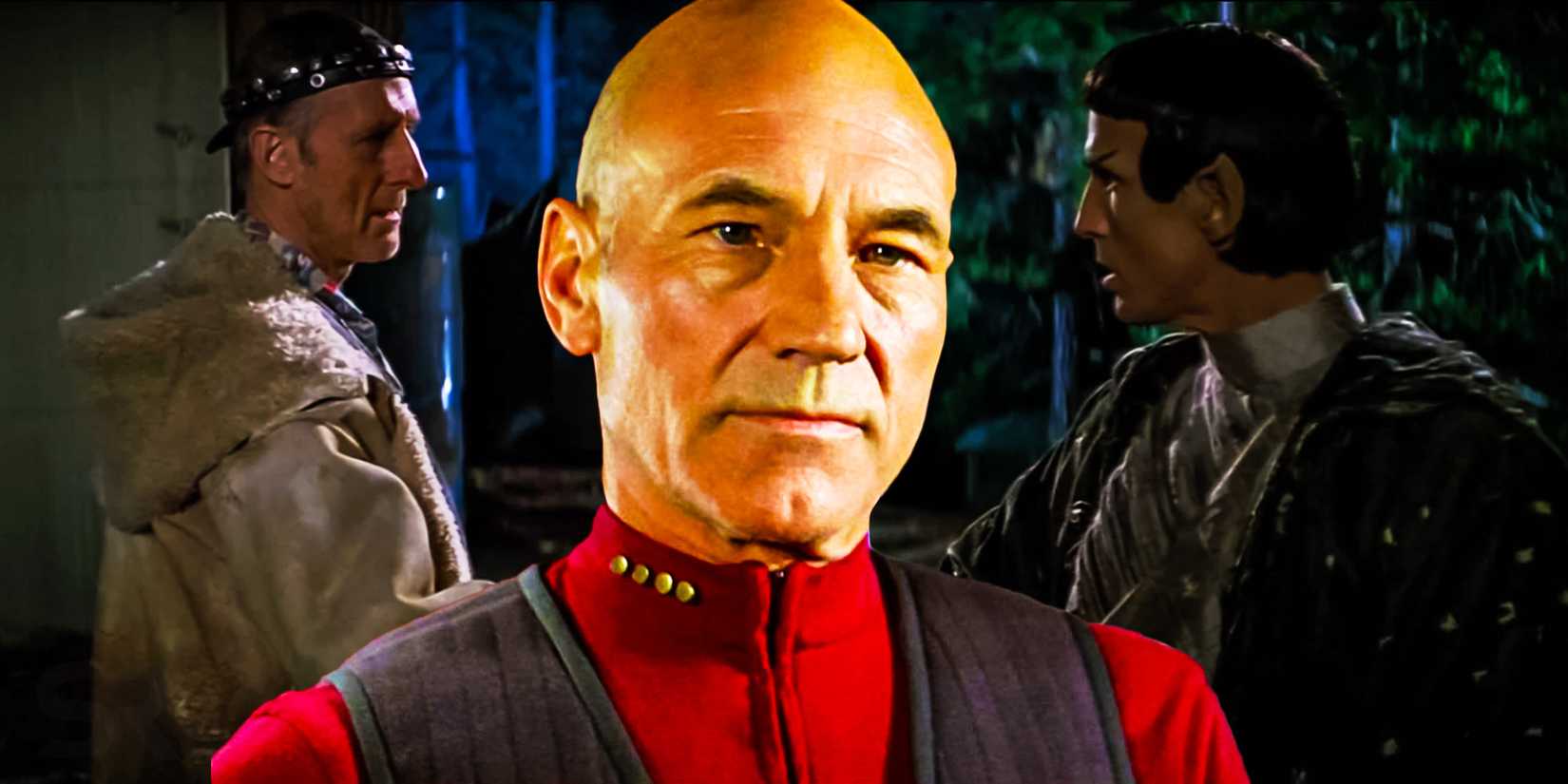
And when the people who spend their lives studying extraterrestrial intelligence appear in stories about first contact, it does three things:
- Validates the science – It tells audiences this isn’t just fantasy. Real people are working on these questions.
- Humanizes researchers – Scientists aren’t caricatures. They’re individuals who can stand calmly in a crisis, just like in the film.
- Inspires future explorers – Students see someone like Benford and think, That could be me. I could help make first contact happen.
In an era where misinformation spreads faster than light, that kind of representation is critical.
The Legacy of a Silent Performance
Dr. Benford never became a Hollywood regular. He returned to his lab, his research, and his papers on beamed energy propulsion.
But his five minutes on screen did something lasting: they blurred the line in the right direction.
When we watch First Contact now, we’re not just seeing a fictional breakthrough. We’re seeing a moment where real scientific pursuit was honored—not through exposition, but through inclusion.
That’s the power of casting someone who’s actually spent their life searching the skies. When the red alert sounds, they don’t need a script. They’ve trained for it.
For storytellers and scientists alike, Benford’s role is a lesson: the most authentic performances come not from pretending, but from being.
Take This Forward
If you're creating content where science meets narrative—whether in film, education, or public outreach—don’t just consult experts. Invite them in. Let them stand in the frame. Let their presence speak.
And if you're a researcher fascinated by life beyond Earth, don’t assume your work belongs only in journals. The next time a production calls, say yes. Your presence might inspire the next generation of explorers—both on screen and in the lab.
FAQ
Did Dr. James Benford have any lines in First Contact? No, his role was non-speaking. He portrayed a scientist monitoring telemetry during the Phoenix launch.
Is Dr. Benford related to Gregory Benford, the sci-fi author? Yes, they are brothers. Gregory Benford also contributed to science fiction and advised on scientific accuracy in media.
How did the First Contact team verify scientific accuracy? They worked with advisors from SETI, NASA, and Caltech, including Dr. Jill Tarter and physicist Lawrence Krauss.
Has any other SETI scientist appeared in Star Trek? Yes—Dr. Seth Shostak, Senior Astronomer at SETI Institute, has appeared in documentaries tied to Star Trek and consulted on episodes.
Was the warp drive in First Contact based on real physics? It was inspired by the theoretical Alcubierre drive, which uses spacetime curvature—a concept scientists like Kip Thorne have explored.
Why cast real scientists instead of actors? Real scientists bring subtle, authentic body language and credibility to technical scenes, enhancing believability.
Can extraterrestrial research lead to film opportunities? Not directly, but public engagement—like writing, speaking, or consulting—can lead to collaborations with filmmakers.
FAQ
What should you look for in How a Star Trek First Contact Actor Joined for Alien Research? Focus on relevance, practical value, and how well the solution matches real user intent.
Is How a Star Trek First Contact Actor Joined for Alien Research suitable for beginners? That depends on the workflow, but a clear step-by-step approach usually makes it easier to start.
How do you compare options around How a Star Trek First Contact Actor Joined for Alien Research? Compare features, trust signals, limitations, pricing, and ease of implementation.
What mistakes should you avoid? Avoid generic choices, weak validation, and decisions based only on marketing claims.
What is the next best step? Shortlist the most relevant options, validate them quickly, and refine from real-world results.