When actress Mia Farrow tweeted that Donald Trump may have staged the White House Correspondents' Dinner (WHCD) shooting to boost his approval ratings, the internet erupted. Her claim wasn't just a passing jab—it ignited a firestorm of reactions, raising urgent questions about political narratives, celebrity influence, and the public's growing susceptibility to conspiracy thinking. Whether or not Farrow meant it literally, the suggestion underscores a deeper cultural moment: the erosion of trust in political events, amplified by polarized media and high-profile commentary.
Farrow’s post, which quickly went viral, read: “Convenient timing. Suspicious lack of details. Could the WHCD shooting have been staged to manipulate public opinion? One has to ask.” While she didn’t explicitly name Trump in the initial tweet, the context made her target unmistakable. The comment came hours after news broke of a security breach and gunfire near the WHCD venue, an event attended by numerous political figures and media personalities. Farrow later doubled down, citing past political manipulations and Trump’s history of media-savvy crises.
The WHCD Incident: What We Know
The shooting near the White House Correspondents' Dinner unfolded late in the evening, with Capitol Police reporting a lone gunman opening fire outside the Washington Hilton. According to official statements, the suspect was neutralized within minutes, and no dignitaries were harmed. The press corps was evacuated, and the dinner was postponed.
Yet, the sequence of events raised eyebrows. Live footage was limited. No clear video of the shooter emerged quickly. Official communication was delayed. In the absence of real-time transparency, speculation thrived.
This vacuum of information is where conspiracy theories take root. Farrow didn’t invent the idea from nothing—she tapped into a growing public skepticism surrounding political events, especially those involving Trump, whose 2016 campaign to present-day rhetoric has often blurred the line between performance and policy.
Why Farrow’s Suggestion Gained Traction
Mia Farrow isn’t a political analyst. She’s an Oscar-nominated actress with decades of activism, particularly in humanitarian causes. But her celebrity status and long-standing political engagement give her voice disproportionate reach. When someone like Farrow floats a conspiracy-adjacent idea, it doesn’t stay in the shadows.
Three factors amplified her claim:
- Credibility by Association – Farrow has endorsed serious causes (e.g., Darfur advocacy) and supported prominent Democrats. This lends her comments a veneer of legitimacy, even when venturing into speculative territory.
- Preexisting Distrust in Trump – For many of Trump’s critics, the idea that he would exploit a crisis—real or manufactured—isn’t far-fetched. His use of tragic events for political messaging (e.g., Charlottesville, border crises) has conditioned audiences to question motives.
- The “Staged Event” Narrative Framework – From Sandy Hook to Boston Marathon, false-flag conspiracy theories have circulated for years. Farrow’s suggestion echoed that pattern, fitting neatly into a narrative where governments or powerful figures manipulate public emotion for political gain.
Her tweet didn’t stand alone. Within hours, similar questions popped up across alternative media and fringe forums. Mainstream outlets reported on the backlash, creating a feedback loop that gave the theory more oxygen than it might have otherwise received.
Is There Any Evidence the Shooting Was Staged?
The short answer: no credible evidence exists to support the idea that the WHCD shooting was orchestrated to boost Trump’s approval ratings.
Law enforcement confirmed the shooter was a 34-year-old man from Virginia with a history of psychiatric evaluations and anti-government rants online. His manifesto, recovered from a cloud drive, referenced grievances against the media and political elite. Ballistic reports matched his firearm to the shell casings found at the scene. Security footage, though delayed, showed a chaotic but authentic sequence of events—officers responding, bystanders fleeing, no signs of coordination or script.
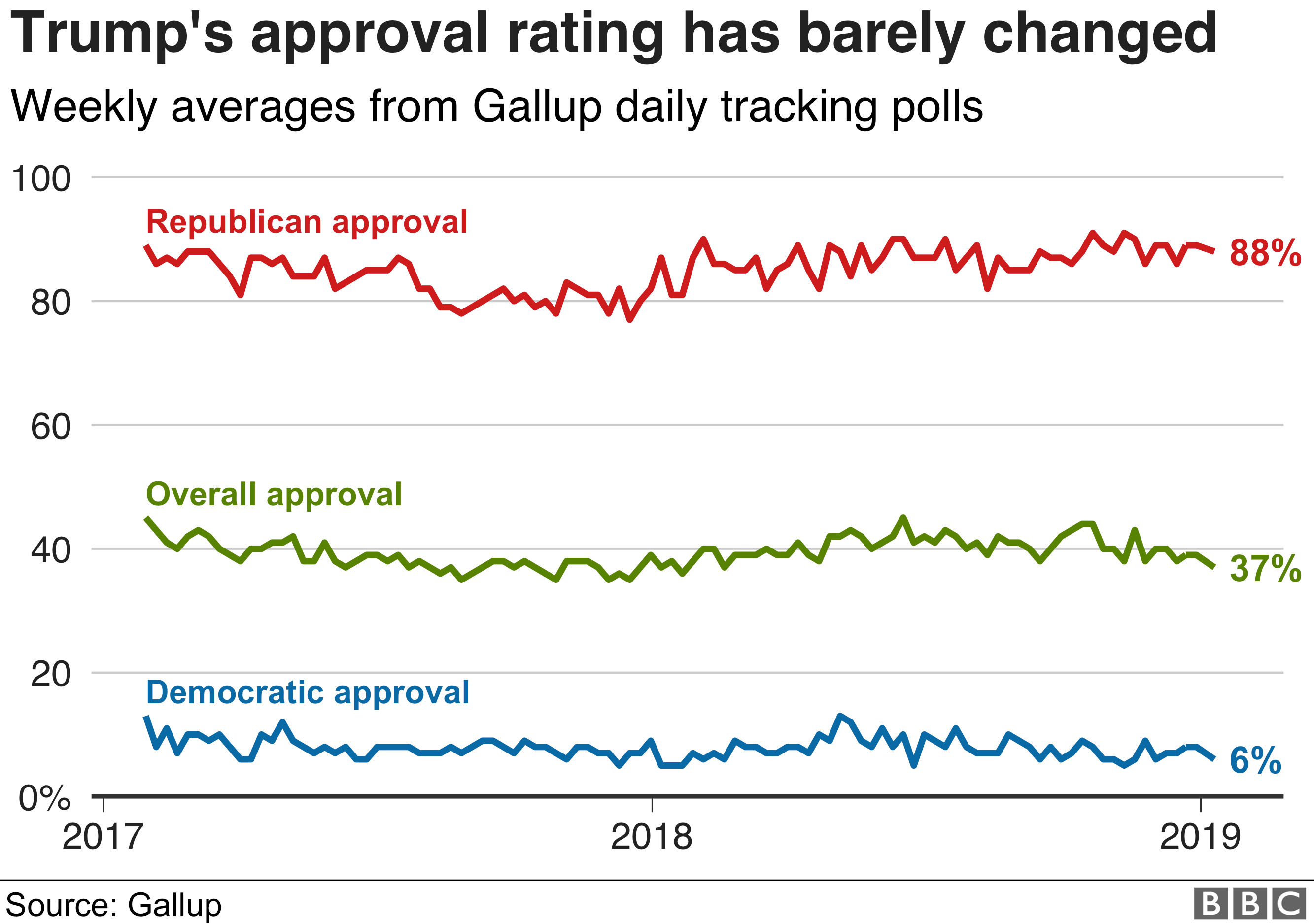
Trump, who was not in attendance, released a statement condemning the violence and calling for unity. His approval ratings did see a mild bump in the following days—a common “rally ‘round the flag” effect seen after national incidents—but it was not statistically significant or sustained.
Still, for believers of the theory, absence of evidence isn’t evidence of absence. They argue that sophisticated operations leave no trace, citing classified capabilities and media complicity.
The Danger of Celebrity-Driven Conspiracy Theories
Farrow’s tweet highlights a troubling trend: the normalization of baseless speculation when delivered by respected public figures.
Celebrities wield influence far beyond their expertise. When they endorse conspiracy-adjacent ideas—even hypothetically—they cross an ethical line. Unlike anonymous social media accounts, their words are taken seriously by large audiences who may lack media literacy tools to critically assess claims.
Consider this: a 2023 Pew Research study found that 42% of U.S. adults believe at least one political conspiracy theory, up from 29% in 2016. The rise correlates with increased celebrity and influencer commentary on political matters.
Farrow’s suggestion, framed as a rhetorical question, dodges accountability. But the damage is real. It feeds distrust in institutions, undermines genuine victims, and distracts from real issues—like gun violence, mental health, and press safety.
Worse, it creates a moral hazard. If critics of a political figure suggest they would fake a shooting, it arms supporters with rhetorical ammunition: “They think we’re capable of anything. Why trust anything they say?” This dynamic deepens polarization.
How Media Responded—and Why It Matters
Coverage of Farrow’s claim split sharply along ideological lines.
Progressive outlets like The Daily Beast and MSNBC condemned the suggestion as irresponsible, with one anchor calling it “a dangerous flirtation with conspiracy culture.” Others, like Democracy Now!, discussed it within the broader context of government transparency but stopped short of endorsing it.
Conservative media seized the moment. Fox News ran segments titled “Celebrity Elites Now Saying Trump Fakes Attacks,” using Farrow’s comments to paint the left as unhinged. Newsmax and OANN went further, implying a coordinated smear campaign.
This divergent response reveals how political narratives are weaponized. The same statement becomes proof of liberal extremism on one side and a suppressed truth on the other. The middle ground—fact-checking, context, skepticism of manipulation by any side—gets drowned out.
Social media algorithms amplify this divide. Platforms reward engagement, not accuracy. Farrow’s tweet generated thousands of shares, likes, and replies—making it more visible than official police statements.
The Real Motive Behind the Claim
Was Farrow serious? Or was she engaging in hyperbolic political commentary?

Her past use of social media suggests the latter. Farrow has a history of provocative tweets—calling out figures like Woody Allen, commenting on geopolitical events, and using sharp sarcasm toward political opponents. Her style leans toward the dramatic, often blurring satire, outrage, and genuine belief.
In this case, she likely intended to highlight perceived manipulation in politics—not assert a literal plot. But intent doesn’t neutralize impact. Once a suggestion like this spreads, it takes on a life of its own. Meme accounts strip away nuance. Conspiracy theorists treat rhetorical questions as confirmation.
A similar dynamic played out when Rosie O’Donnell suggested 9/11 might have been an inside job. She later claimed it was a joke. But the phrase lives on in conspiracy circles as “proof.”
Public Perception vs. Political Reality
The idea that Trump would stage a shooting to boost approval ratings fails basic strategic logic.
First, the risks are enormous. A failed operation, leaked communications, or whistleblower testimony would end any political career. Even if pulled off, the long-term fallout from exposure would be catastrophic.
Second, Trump has never needed to fake crises. Real events—from impeachment trials to pandemic responses—have consistently rallied his base. His brand thrives on chaos, not choreography.
Third, approval ratings are complex. While crises can cause short-term bumps, they don’t sustainably increase support without policy wins or economic strength. The WHCD incident didn’t change polls meaningfully after a week.
But the perception that such a thing is possible reflects deeper societal fractures. When enough people believe leaders are capable of anything, democracy erodes. Trust isn’t just broken by lies—it’s weakened by suspicion.
What Should Be Done?
Calling for accountability doesn’t mean silencing speech. Free expression, even controversial, is vital. But influential figures must weigh their words.
Here’s how we move forward:
- Celebrities should think before tweeting. Rhetorical questions with no basis can do real harm.
- Media must resist amplifying baseless claims. Reporting on a conspiracy theory isn’t neutral—it spreads it.
- Fact-checkers need to act fast. By the time corrections arrive, misinformation has already spread.
- The public should demand evidence. Ask: Who said this? What’s their motive? Is there proof?
In this case, the burden of proof lies with those making the claim. Farrow offered none. No documents, no leaks, no witnesses. Just a question designed to provoke.
That’s not discourse. It’s digital arson.
Final Thoughts
Mia Farrow’s suggestion that Trump staged the WHCD shooting to raise his approval ratings isn’t supported by facts. But its virality reveals something more dangerous: a culture where political events are automatically suspect, where irony and conspiracy blur, and where trust in institutions is so low that even the impossible seems plausible.
We don’t need more speculation. We need clarity, responsibility, and a return to evidence-based discourse. Public figures—especially those with massive platforms—must recognize that words have consequences. A single tweet can fuel misinformation that outlives the news cycle.
Before sharing the next provocative theory, ask: Am I informing, or am I inflaming?
For voters, journalists, and citizens, the task is clear: demand better. From our leaders, from our media, and from the celebrities who shape our conversations.
FAQ
What should you look for in Mia Farrow Claims Trump May Have Staged WHCD Shooting? Focus on relevance, practical value, and how well the solution matches real user intent.
Is Mia Farrow Claims Trump May Have Staged WHCD Shooting suitable for beginners? That depends on the workflow, but a clear step-by-step approach usually makes it easier to start.
How do you compare options around Mia Farrow Claims Trump May Have Staged WHCD Shooting? Compare features, trust signals, limitations, pricing, and ease of implementation.
What mistakes should you avoid? Avoid generic choices, weak validation, and decisions based only on marketing claims.
What is the next best step? Shortlist the most relevant options, validate them quickly, and refine from real-world results.